Jace's Epic Crashout: Multiverse Reforged Precon Upgrade Guide
Leeeeeet's do the multiverse warp, yeah!


Going through trauma is a tough process. Some people dye their hair and start smoking cigarettes, some people go to the gym six days a week and get really buff, and some people just completely lose it and spawn a brand-new Multiverse because they’re tired of getting the shit kicked out of them. Well, maybe only one guy.
As the story of Jace’s incredible crashout and super emo phase, Reality Fracture has been a blast to preview so far, and now it’s the most exciting part: the full reveal of the Commander precon! This deck is especially exciting not only because it’s been nearly ten years since the last four-color Commander precons, but because this is the first — and almost definitely last — time that we’ll see a Jace Beleren planeswalker (not counting Jace, Vryn’s Prodigy anyway) as a commander, and in several colors to boot. I can’t wait to explore the world of the most epic mental episode known to the Multiverse! Let’s get right into it, because this deck has a lot going on.
Pierce the Echo-Veil
The Multiverse Reforged precon deck comes packaged with the following:
- 1 Ready-to-play 100-card Commander deck
- 1 Traditional foil face commander with borderless art
- 1 Traditional foil featured commander with borderless art
- 98 Non-foil cards, including 16 new-to-Magic cards
- 10 Double-sided tokens
- 1 Deck box
The face commander here is the man with the mental breakdown himself, Jace, Multiverse Architect:

The backup commander for the deck is Nissa, Leyline Tamer, looking fire in a cool new outfit:

To say that this deck is a wild ride is an understatement. The theme is explained largely by Jace, Multiverse Architect’s second ability: trade a creature (or planeswalker) on the battlefield for a creature revealed from cards on top of your library for no extra cost. Older players will immediately clock the Polymorph-style effect, and indeed Mass Polymorph is in the deck already, as well as the coveted Proteus Staff. In terms of new cards, there are plenty of great new legendary creatures that can helm unique Commander decks in their own right, not to mention a continuation of the wonderful Turbulent land cycle from Secrets of Strixhaven — Turbulent Crater, Turbulent Shore, and Turbulent Wetlands, for red-black, white-blue, and blue-black respectively.
The reprints in this deck are respectable, if not more impressive than some recent precon reprints; Flawless Maneuver and Archfiend of Despair are both comfortably over $20 apiece, Reflecting Pool — a great land for any three-or-more color deck — is $16, and Archon of Cruelty and Serra’s Emissary are both nearly $10 each as well. Beyond that, there are some Talisman mana rocks worth a few dollars each, and oft-needed land reprints, like the filter lands Sunken Ruins and Mystic Gate.
Inspecting the decklist further reveals that the primary mode of generating creatures to trade in for bigger, better ones is token generation. Though backup commanders usually have slightly different strategies, Nissa functions very similarly to Jace in this deck, just with less focus on tokens, but we’re going to rock with Jace as the commander for this deck. Reality Fracture is his parting flourish, after all.

Before we get into the upgrade guide itself, I want to give you a disclaimer. This precon is not built very well for gameplay experience. Polymorphing creatures is a legitimate archetype and it can be very fun, but this deck has to fix mana for four colors, ramp to five mana, and have a token on board just to start doing its thing. From there, you’re completely at the mercy of the cards you spin into, and a lot of the cards in this deck are not exactly cohesive in terms of synergy — most of them are cards that really want to be in specific strategies, or even helming decks of their own. I think that it can be workshopped to function better, and that’s what we’ll do in this article, but I expect that a lot of players, myself included, are going to purchase this deck just to take it apart and build or upgrade other decks. Don’t be ashamed to do so, it’s a great way to help bolster your decks and your collection.
With that being said, let’s take a look at how this deck ticks out of the box, because reshaping the Multiverse one creature at a time is no easy task. Turn up the emo and punk rock music, because it's time to break it down.
Falling In Reverse


One of the first things you’ll notice about this deck is that there aren’t actually that many creatures in the deck, and the ones that are there are exorbitantly expensive. This is all by design — any small creatures in the deck would be potential flip targets for Jace’s second loyalty ability, which would reduce its value and impact on the game. As a result, you’ll need a suite of token-makers that can start to put bodies on the board quickly without adding any creature cards that you’d be sad to see ripped off the top by a Polymorph effect.
Ideally, you’ll have at least a few tokens by the time you cast Jace, since you’ll likely need to block some swings at your life total, and afterwards they can block for Jace as well, though his static ability is a great deterrent. Elspeth, Sun’s Champion makes three bodies at once, giving plenty of fuel for Polymorphing or blocking, and she also has access to a boardwipe as her -3 loyalty ability in a pinch. Shark Typhoon doesn’t work for free and it’s somewhat costly, but the Shark tokens it creates not only fly, expanding your defensive capabilities, but they can also be large enough from an expensive cast to be a threatening flier if need be. Dreadhorde Invasion doesn’t give multiple tokens, since Army tokens work via amass, but it’s a cheap early drop at only two mana that can accumulate counters into a large Army for blocking, as long as you don’t need to Polymorph it.


Using Polymorph-style effects on your creatures is a fun and unpredictable strategy, but it can also be very delicate if messed with. If Jace gets attacked or removed too many times and becomes expensive, you’ll need some contingency plans. Proteus Staff only works on single targets, and requires both a three mana casting cost and three mana ability cost to start working. Even so, it’s still a Polymorph effect, and it even has the added bonus of putting the creature on the bottom of your library instead of exiling it, so it’s possible to recycle a powerful enters trigger back into the ecosystem of this deck. Mass Polymorph and Synthetic Destiny are functionally identical cards, with the exception that Synthetic Destiny works at instant speed. Both cards exile your entire board of creatures, then reveal cards from the top until you find as many creatures as you exiled in the first place. With Synthetic Destiny, you can snap it off before the preceding player’s end step and untap with a board full of threats, ready to swing out.


The last component of the gameplay loop is the top end. Basically every creature in this deck is a bomb, and even though some of them don’t immediately impact the board when they enter, these creatures can definitely make a splash. For starters, Archon of Cruelty is an infamous staple from the Modern and Legacy formats as a juicy Reanimate target. Whenever it enters or attacks, it forces an opponent to sacrifice a creature, discard a card, and lose three life. While this trigger is much more deadly in competitive 1v1 formats, it can still do plenty of work here. Memnarch, the Warden does double duty in this deck as both a creature token generator and a powerful draw engine. The deck comes preloaded with a ton of mana rocks, so Memnarch’s attack trigger will usually draw plenty of cards. Lastly, Ob Nixilis, the Ascended is a great analogue to Sunblast Angel, capable of wiping your opponents’ tapped creatures off the map after a big swing or clearing out a lot of used mana dorks. It also gains you one life per destroyed creature, which is potentially a big life total swing, and gives you a free flying 4/4 Angel on top of the sweeper.


As you can probably guess, Polymorphing out gigantic threats with scary, game-ending abilities will quickly put a target on your back, so you’ll need to run plenty of interaction and protection to keep your board safe. Flawless Maneuver and Grand Crescendo are gold standard indestructibility spells, with Flawless Maneuver being both a solid reprint and a member of the infamous Commander 2020 cycle of free-cast spells. Sunfall — as well as the deck’s other sweeper effects — should be used judiciously to keep the pressure away from Jace, but try not to use them unless absolutely necessary once your big creatures are on the board.
Panic! At The Echoverse
This deck is already equipped with some great Polymorphing essentials and some excellent inclusions in the landbase, and our emo friend Jace has prepared the early 2000s emo playlist. It’s time to see what this deck can do with a little bit of extra sauce.
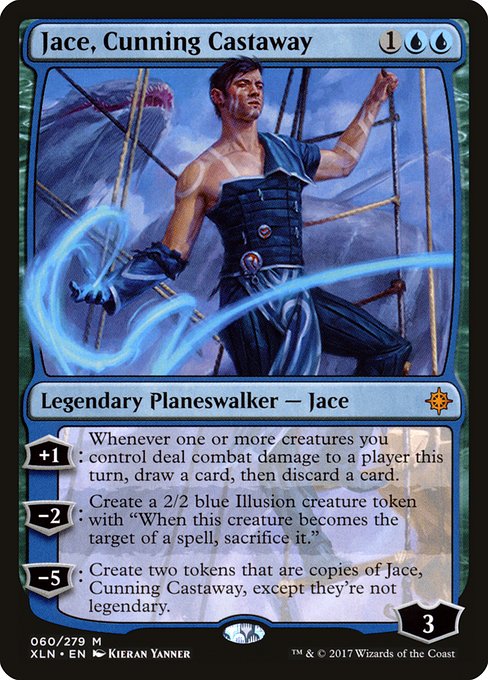
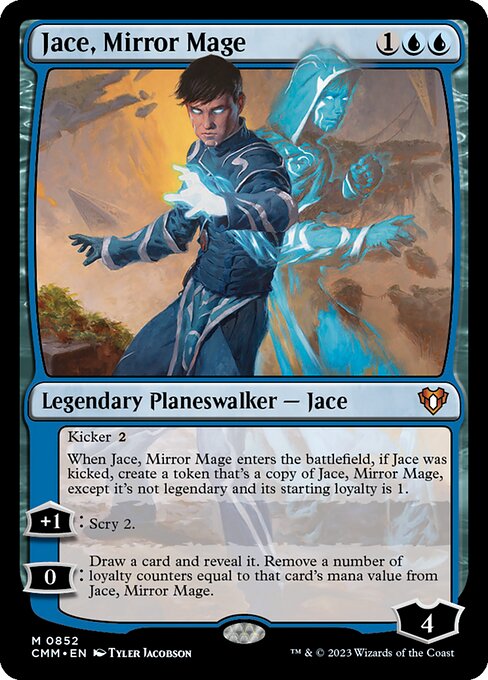
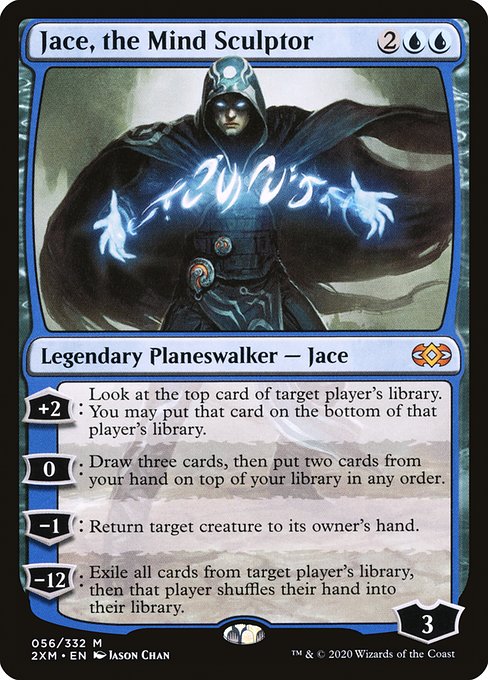
Given Jace, Multiverse Architect’s static ability, it was almost inevitable that this deck would add more Jace planeswalkers into the mix. The ability provides blanket protection for all Jace planeswalkers, and several of them are well-suited to the strategy this deck wants to employ. Fun fact: Jace, Cunning Castaway is the only Jace planeswalker to make a creature token, and his ability to create more copies of himself is also valuable. Your commander’s second ability also works if you exile a planeswalker to start the Polymorph, so extra planeswalkers are always handy. Jace, Mirror Mage works similarly: you can kick it for two extra mana to get an extra planeswalker token out of the deal, and scrying is especially powerful in decks that need to know what’s coming in from the top of the library. Last but not least, it’s absolutely poetic that the most infamous iteration of the blue boy wonder, Jace, the Mind Sculptor, is an excellent card for this deck. It has pretty much everything that this deck needs — top deck manipulation, the ability to put big Polymorph targets away on the bottom of the deck so they can’t be drawn into by accident, creature disruption via bouncing, and, if all else fails, a flashy ultimate for his -12 loyalty ability that removes nearly every card an opponent can even play from the game entirely.
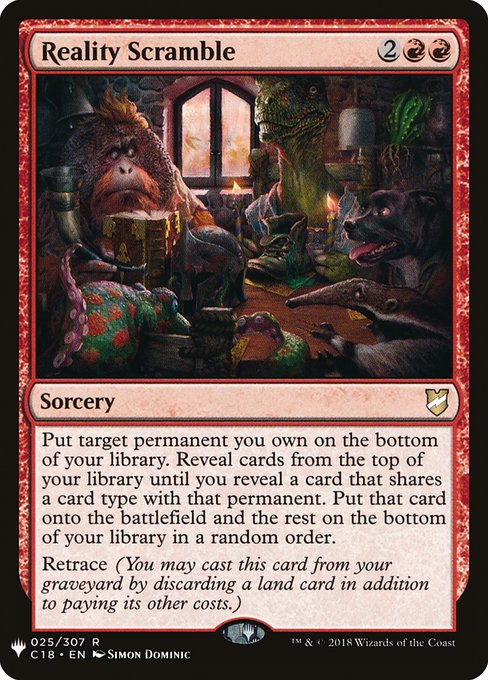
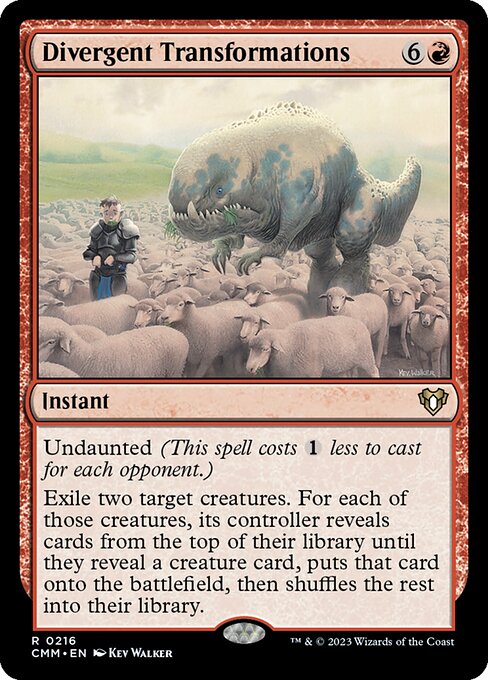
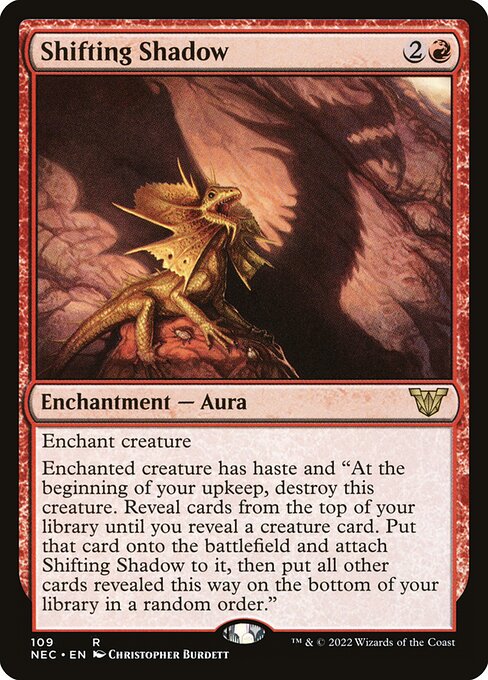
While there are a decent amount of Polymorphing spells in the deck already, having a few more available is never a bad thing. Reality Scramble is great not only because it Polymorphs the creature to the bottom of the deck, which helps you recycle threats back into your deck as needed, but also because its retrace ability means you can recast it as many times as you have lands available to discard. Divergent Transformations is another great Polymorph — instant speed for end-step shenanigans, and its undaunted ability makes it a steal to cast for only four total mana as long as all three opponents are alive. Shifting Shadow is yet another double duty synergy piece as well; it gives haste to the enchanted creature, meaning that you can Polymorph a token into one of your huge threats and have it ready to swing immediately, then Polymorph once again on your upkeep, and Shifting Shadow even reattaches itself to that new bomb creature to repeat the whole process. It also synergizes with Avacyn, Angel of Horror, who brings herself and other creatures back from the graveyard after they’re destroyed, so Shifting Shadow can kick off your growing army of gigantic threats.
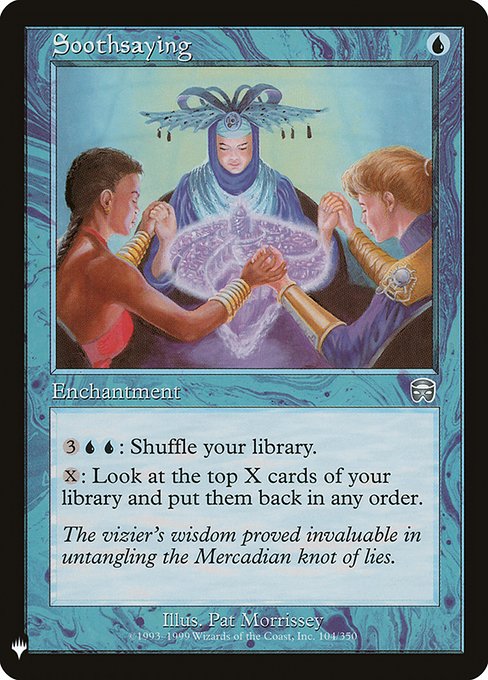
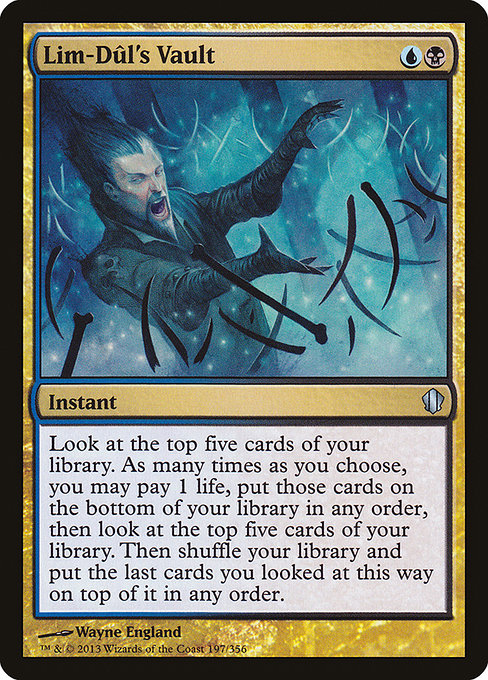
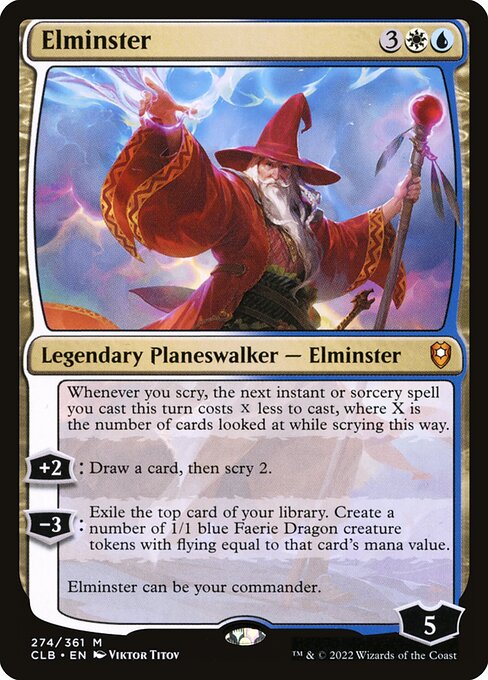
Ripping creatures off the top of your library totally blind is fun and engaging, but having a little bit of foreknowledge can turn the odds in your favor. Soothsaying is similar in concept to Sensei’s Divining Top, but is a considerably less expensive card, and if things are really bad you can shuffle your library in a pinch. While usually better-suited to combo decks, Lim-Dul’s Vault is a spell that lets you dig for the best configuration of cards by digging, five cards and one life at a time, through your entire library. Just remember that it’s all or nothing — you can’t put some of those five cards on the bottom, only all of them or none of them. Elminster helps smooth out some of your Polymorphs with his scry effect, while also discounting your instants and sorceries as he does so. He can even create multiple tokens by exiling a card off the top of your library if necessary.
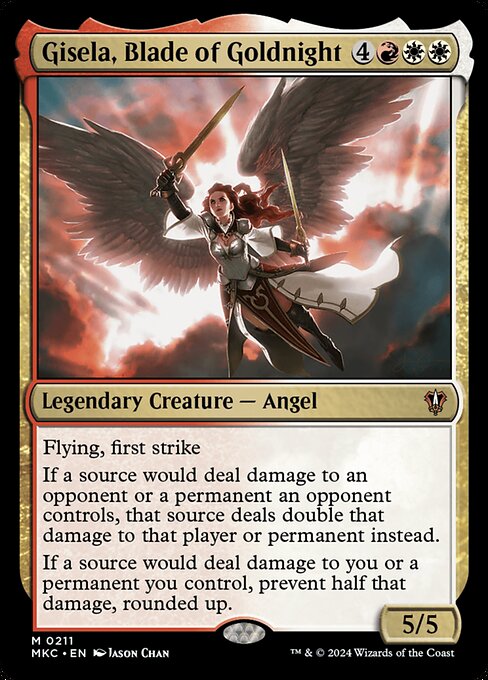
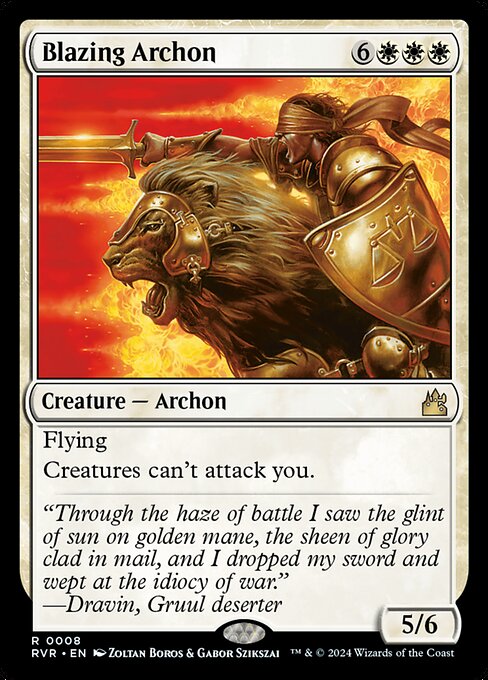
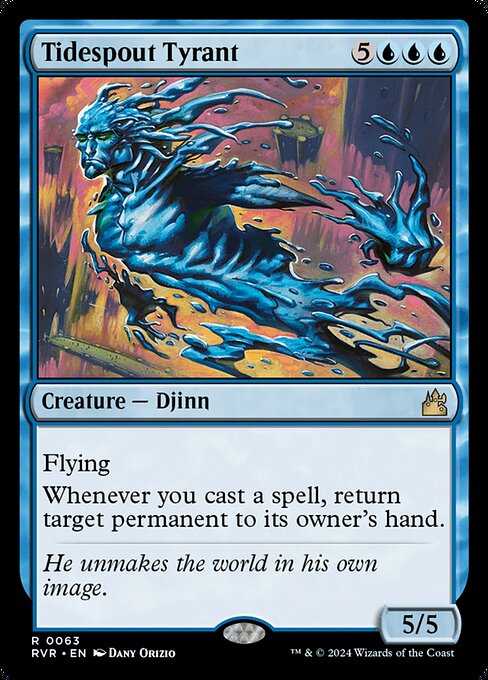
Now, we get to the fun part of this upgrade guide. The threats in this deck are fun, flavorful, and unique, but there’s room for improvement, and with access to four colors, there are plenty of options for affordable but impactful creatures. Gisela, Blade of Goldnight warps the game almost as soon as she enters the battlefield; halving all damage to you and your permanents makes your creatures nearly unkillable and your planeswalkers significantly easier to defend, while all of your huge creatures are made even more lethal. Blazing Archon outright prevents you from being attacked, so unless your opponents pay to attack Jace, they might not even be able to affect you during combat at all. Since Jace is edgy and emo as his Theorist persona, he’ll appreciate some real cruelty: Tidespout Tyrant lets you clean up problematic permanents anywhere on the board, so long as you can keep casting spells.
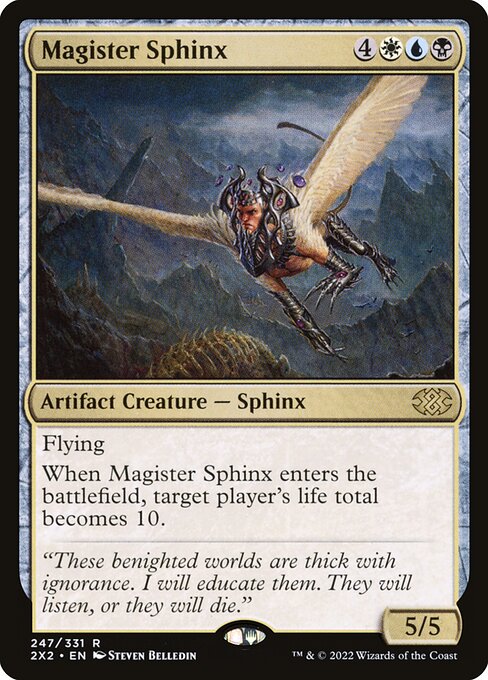
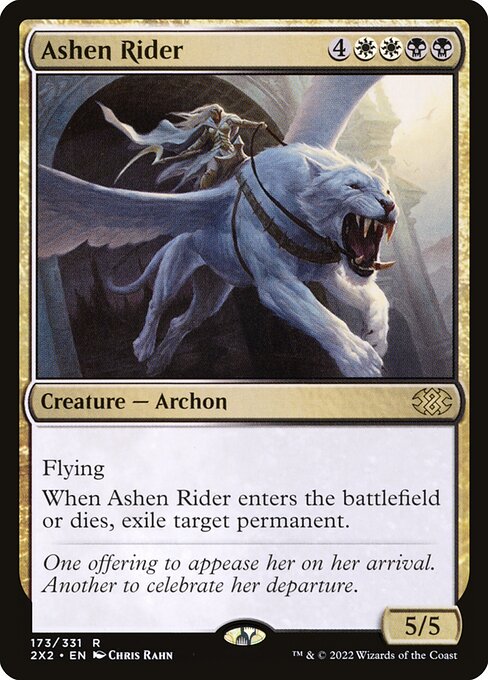

Rounding out our upgrades are some creatures that will affect the game as soon as they enter, as each of them have impactful enters triggers. Magister Sphinx can set you up for a complete knockout on a single player, as it sets a player’s life total to 10 when it enters. Ashen Rider and Galactus, Devourer of Worlds both exile a permanent when they enter. The Rider also exiles a permanent when it dies, making it a good Shifting Shadow target. Galactus is a bigger on-board presence as a huge, trampling, indestructible 10/10, so even though you can’t control where he attacks, he’s a wrecking ball of a creature all the same.
Three Days Jace
I wish that this deck could keep all of its unique and interesting creatures, and I hate cutting new cards for precon upgrades, but alas, something has to go to make room for these tune-up cards.
- Poor Dack might be back, but he can’t catch a break. Dack Fayden, Helping Hand could give away some truly impactful creatures, even if you get the enters triggers to start with; it’s just too risky. Similar cards prevent your opponents from sacrificing the gifted creatures, but Dack has become so magnanimous in the Echoverse that he forgot to include that clause in the contract. Giving an Aristocrats deck an extra piece of fodder is a pretty bad idea.
- Ginger, Queen of Sweets introduces the monarch, which is an awesome mechanic, and even makes tokens, but the monarch makes you even more of a target than you already would be, and you’re ill-equipped to defend yourself from flying threats consistently.
- Niv-Mizzet, Ghost Counsel is a sweet commander candidate and an awesome what-if card, but he’s severely misplaced in a deck with about three or four ways to gain paltry amounts of life, and only one potentially way to gain lots of life, which is where this card shines.
- For similar reasons as Ginger, I think Tamiyo, Upriser Crowned should be shown the door. Flying, double strike, and haste may seem attractive, but at only three power, there just isn’t enough incentive to keep her. Since she introduces the monarch, we’d probably want her on defense anyway, so haste is wasted, as is double strike since there’s nothing to take advantage of damage triggers.
- Venser, Fervent Forger is a cool card and very flexible, but it’s fairly narrow in this deck and might be a complete whiff on a Polymorph, so away he goes.
- Another iconic card reimagined in the Echoverse, Omnath, Locus of the Void is a theoretically great way to ramp and bank mana in this deck, but by the time you see a seven-mana creature, whether by cast or by Polymorph, you need more pressure, not more mana.
- She might be iconic, but Akroma, Angel of Fury is almost a vanilla creature by modern Magic standards, and over half the textbox is basically irrelevant since you don’t ever want to cast or morph this Angel.
- It kills me to say, but The Ur-Sphinx longs to be freed of this deck. I promise you that it will helm a killer deck by itself, but here it’s just not doing enough. Notably, his attack trigger scales off of the number of Sphinxes attacking, and in this deck that would always be a count of one.
- Occult Epiphany is a good way to spend a ton of mana, since you won’t be spending it on creatures much, but looting is not the kind of card advantage you need as the deck lacks any reanimation or even flashback spells.
- Fatehold Charm is potentially useful for its empower Jace mode that gives you a token for Polymorphing purposes, but it’s just not impactful enough to warrant a slot over some of the new cards being slotted in.
- I hate to keep cutting awesome new cards from this deck, but Teferi’s Reproach is too wonky and specific to work well in a deck that’s already as janky as can be. If you want a fog effect there’s always Ethereal Haze, which works on creature-based noncombat damage, and if your opponent tapped to attack it leaves them open to a crackback.
- As much as I love a good minigame, Fact or Fiction is too expensive and too risky for what it does.
- It may be flexible, but Currency Converter is another card that’s out of place. It can make a few tokens after a deposit or two, but this deck doesn’t discard enough cards to make it a reliable and quick effect.
- Windcrag Siege is a cool and flexible spell, but we’re cutting most of the attack triggers in this deck, and there are better ways to make tokens available here.
- Plan for All Outcomes is a tough sell at four mana. This deck is already stuffed with interaction, and almost all of it outclasses this spell completely.
My Chemical Romance
If you’re spending a ton of time and effort reshaping a Multiverse, you might as well make yourself so rich that money doesn’t matter. Here are some more cards you can include on a bigger budget:
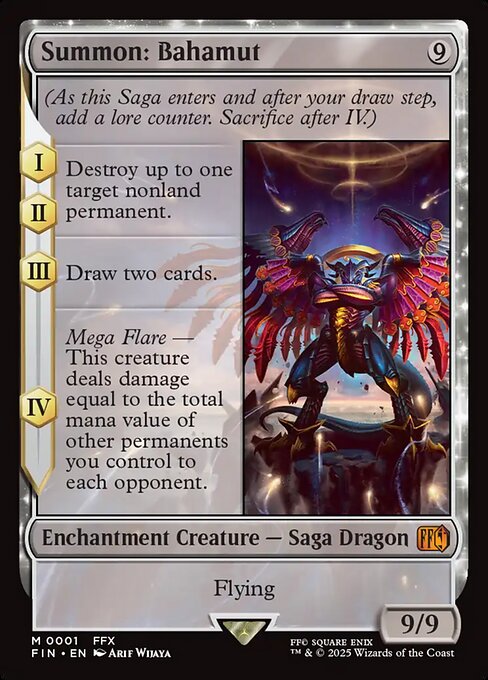
Saga creatures might not stick around forever, but they really know how to make a splash. Summon: Bahamut shoots down two nonland permanents across its first two chapters, draws a couple of cards, then finishes off with a potentially huge burn effect to each opponent if you have high mana value permanents on board. Hmmm, I wonder how you can get a lot of those into play for cheap? And as mentioned earlier, the new warped Avacyn in this deck hates to see creatures leave forever, so after his final chapter she’ll bring him back for more destruction.
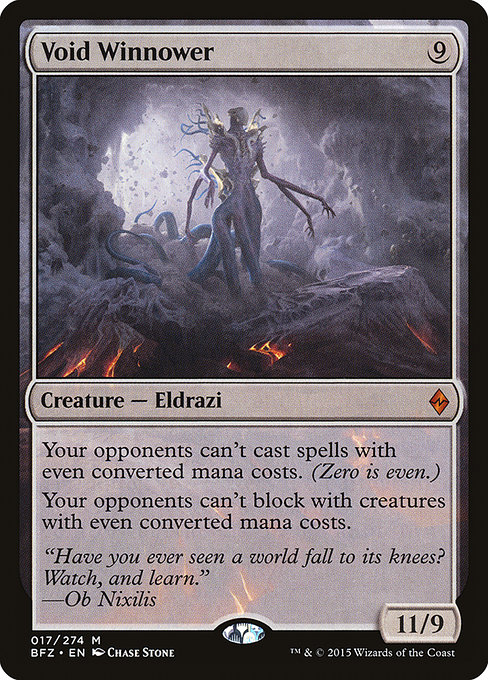
Bending the rules of reality is the name of the game, and Void Winnower takes advantage of the fundamentals of mathematics to screw over your opponents hard. Sure, they might have some odd-costed spells and creatures to pick up scraps, but the odds are that a good chunk of their deck will be rendered worthless.

Now that Jace has been defeated as of the end of Reality Fracture (spoilers, sorry), a new big bad is needed to fill the void. Some have theorized that Valgavoth, Terror Eater may step into that vacancy; I’m not sure if that’ll end up being true, but I can say for sure that he’s a house in this deck. Being a permanent Dauthi Voidwalker is oppressive against graveyard decks, and still plenty effective against any deck that casts any amount of instant and sorcery spells.
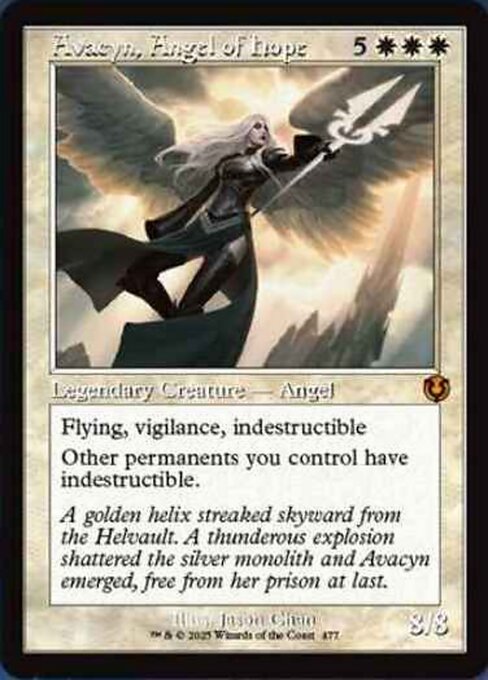
With her Echoverse counterpart already in this deck, it’s only fitting to put Avacyn, Angel of Hope into this deck. What’s not to love about an indestructible board?
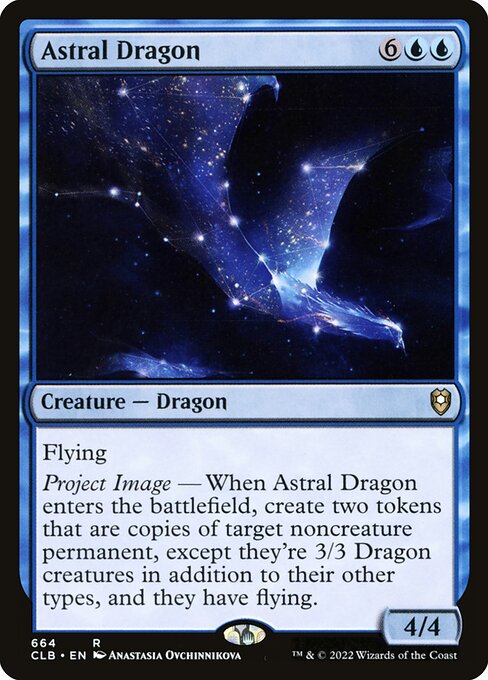
Though this deck is all about creatures, Astral Dragon’s ability to copy noncreature permanents by turning them into Dragon tokens is often game-warpingly strong. Astral Dragon is also a combo piece with Cursed Mirror which is already in this deck; you can use the Astral Dragon to copy the Mirror when it’s no longer a copy of a creature, allowing you to again target the Dragon with the fresh copy made by the Dragon. You can then create infinite copies of all of your own noncreature permanents on the board and infinite hasty Astral Dragon copies, presenting an easy way to win the game with a flying army.
Sleeping with Sirens (or Gorgons)
After reshaping the Echoverse in your image, here is what the deck will look like:
I hope you enjoyed this precon upgrade guide, or if you decided to tear this deck apart for its sweet, sweet cardboard innards, I wish you the best of luck in building some awesome new decks. Happy brewing!
The Best Way to Play Commander Online
For the easiest way to play Commander online with your friends or meet new opponents on the field of battle, use EDHLAB.gg's Play Online feature!
EDHLAB maintains a strict policy against the use of generative AI in the production of creative media. All blog articles and images hosted by EDHLAB are made without the use of generative AI.